Season, weather, fitness and park rules
Best time for Torres del Paine
When to go to Torres del Paine, how the seasons and winter rules change the trip, how fit you need to be, and the park rules every visitor follows.
See Torres del Paine tours on Viator ↗Quick answer
The park runs a summer season from October to April and a winter season from May to September. Summer brings the most services and the most visitors. The shoulder months are quieter and less settled. Wind and rain can arrive in any month, so carry layers whenever you go. Winter adds snow and ice, shorter park hours, closed sections of the O circuit and gear rules for the main trails.
The park's two seasons
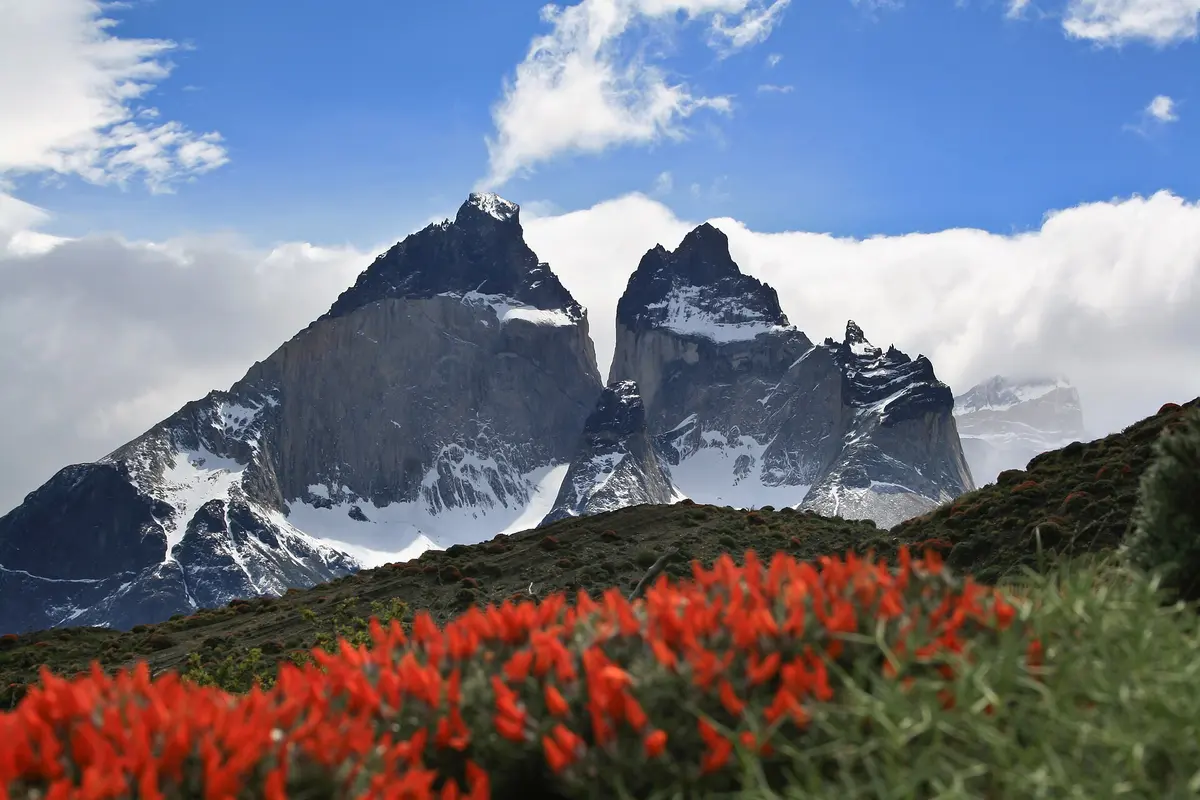
The park's own calendar has two seasons. Summer runs from October to April and winter from May to September, with longer opening hours in summer. The park adds that days and hours can change with weather or safety conditions. Operators slice the year differently: Las Torres, which runs a hotel and huts in the park, describes spring, summer, autumn and winter, with summer as high season. Use the park's calendar for the rules, and the operators' own pages to see what is open on your dates.
Summer: the most services and the most people
Summer is high season. Las Torres says it is when Patagonia sees many visitors. Wikipedia places the strongest winds between November and January, which overlaps with peak tourism. You get the widest choice of tours and the fullest hut network, but also fuller trails and busier viewpoints. If the W Trek is your plan, book hut nights early for these dates. Wind is part of the deal even on a clear day, so pack for it and expect exposed sections to feel it first.
Read next: The three arms of the W Trek, explained
Spring and autumn: quieter, less settled
Las Torres describes spring as a time of fewer people on the trails, more active wildlife and blooming flora, and autumn as quieter too. The trade-off is weather that swings more. Wikipedia lists March and April as the rainiest months, and the park warns that the weather changes quickly in every season. These months suit travellers who accept a wetter or colder day in exchange for space on the trail. Check lodging and activity availability before you plan around them.
Winter: snow, shorter hours, extra rules
Las Torres describes winter as calm days, clear skies and snow-covered mountains, and says visitors have the park largely to themselves. The park itself is more cautious. It lists snow as a risk on most trails from May to September, expects trails covered in ice and snow, and recommends microspikes, poles, gloves and a three-layer system. Several sections of the O circuit are closed in winter. On parts of the W, CONAF has required an accredited guide in winter. The nearest medical centre is in Puerto Natales, so plan with margin.
Wind, rain and closures
Whatever the month, the park asks you to carry layers for rain, wind and snow. After heavy rain or thaw, rivers rise and become dangerous: the park says not to cross if the water is above your knees, and to ask a ranger about trail conditions. CONAF's mountain protocol also sets objective limits for wind, visibility and snow at which rangers close a sector, and a closure is binding on visitors, tour operators and guides. The protocol says closures give no right to claim for frustrated plans, so keep a spare day in your schedule.
How fit you need to be
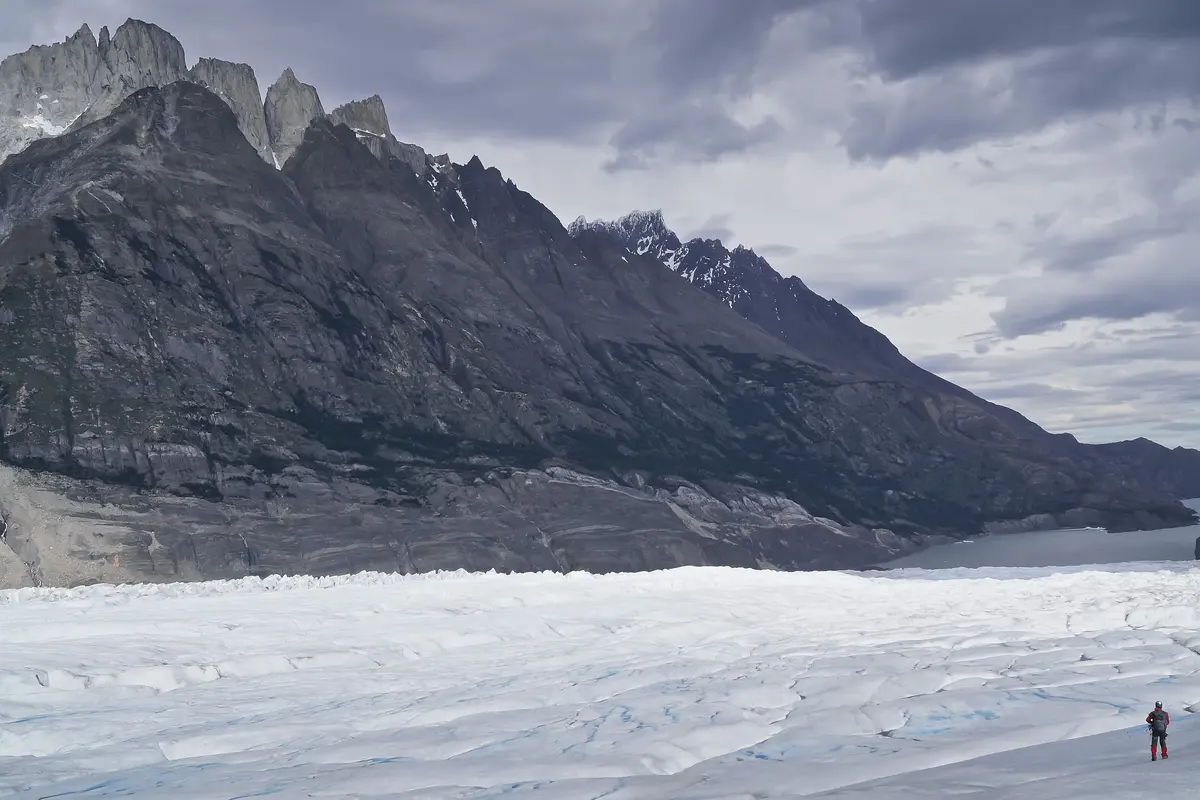
The park rates its trails, so you can compare them. Base Torres is listed at about eight hours round trip, medium to high difficulty. CONAF warns that its last stretch crosses a glacial moraine, which can strain leg joints. Its trail table gives Chileno to the Torres ranger post as about an hour and a half, then about an hour more to the viewpoint, rated strenuous. Grey to Paine Grande is rated medium. The W as a whole takes three to five days. A viewpoints tour by road asks far less of you. If unsure, choose the shorter route.
Rules every visitor follows
The park's rules are strict because the place is fragile and has burned before: Wikipedia records large fires in 1985, 2005 and 2011. CONAF publishes the full list, and rangers are the authority in the park, so follow their instructions over anything you read here. These are the rules that most often catch visitors out, drawn from CONAF's visitor page and its mountain protocol.
- No fire or heat source of any kind, cigarettes included. Stoves only in designated areas, and only types that do not burn plant material
- Stay on marked trails, and walk only in daylight
- Register at ranger stations on arrival
- Take all your waste out. Pets and drones are not allowed
- Camp only in authorised, signposted areas
What to pack
CONAF's mountain protocol lists what it suggests carrying in every season, and the park's travel page gives a similar winter list. Treat both as a minimum. The park says the weather changes quickly, there is no phone or internet signal on the interior trails, and help can be hours away, so your gear is what keeps a small problem small.
- Waterproof, high-ankle walking boots with a non-slip sole
- Layered clothing, warm clothing and sun protection
- First-aid kit, plenty of water and food
- Headlamp, whistle, thermal blanket, gaiters and trekking poles
- In winter: microspikes, gloves and goggles
Children, groups and going alone
CONAF recommends against trekking solo and asks groups to keep together and move at the pace of the slowest person. It advises against taking children under 12 on the W and other trails, and says children under 14 should not enter the O circuit. Minors must be with a parent or legal guardian at all times. On the trail the park says to keep children close to an adult, because help in the mountains can take several hours to arrive.
Getting there and around
From Puerto Natales, CONAF lists two road routes into the park. Access by road is open to all vehicle types, but CONAF recommends studded tyres in winter because of frost and ice. There is no fuel in or near the park. Regular buses run from town, and catamarans cross Lago Grey and Lago Pehoé. Hospital care is at Cerro Castillo or Puerto Natales, and CONAF's own estimates put an ambulance about an hour and a half to two hours away. Tell someone your route before you set out.
Who this isn't for
If you need predictable weather, no month in Patagonia offers it, and the park says so itself. If you plan to hike alone without telling anyone your route, CONAF recommends against trekking solo. If you hope to walk the W in winter without a guide, check the park's current winter rule first, because it has changed within a single season. And if you cannot finish a trail before dark, choose a shorter one: walking after daylight is prohibited.
Frequently asked questions
What is the best month to visit Torres del Paine?
It depends on what you value. Summer, October to April on the park's calendar, has the most services and the most visitors. Spring and autumn are quieter with more changeable weather. Wind and rain can arrive in any month.
Is Torres del Paine open in winter?
Yes. The park opens daily in winter, May to September, with shorter hours. Expect snow and ice, closed sections of the O circuit and gear rules such as microspikes and poles. Read the notices on the park's homepage before you go.
How windy is Torres del Paine?
Wikipedia calls the park famous for strong winds, placing the windiest months between November and January. The park advises layers for rain, wind and snow in every season, and rangers close sectors when conditions cross set limits.
How fit do I need to be for Base Torres?
The park lists it at about eight hours round trip, medium to high difficulty, with a strenuous final stretch over glacial moraine. Poles help. A viewpoints tour by road needs far less fitness.
Can I walk the trails after dark?
No. Park rules prohibit walking trails without daylight, and trails have closing times so night does not catch you before the next campsite. CONAF adds that pumas are more active at night.
Are fires or camping stoves allowed?
No fires or heat sources of any kind, cigarettes included. Stoves are allowed only in designated areas, and only types that do not burn plant material. Penalties include fines, prison and, for foreigners, expulsion.
Sources
- Travel recommendations 2026 (Parque Nacional Torres del Paine, in Spanish)
- Parque Nacional Torres del Paine (CONAF, in Spanish)
- Mountain circuits operating protocol (CONAF, PDF in Spanish)
- Torres del Paine National Park entry and hours (Pases Parques Nacionales)
- Parque Nacional Torres del Paine, notices (official site, in Spanish)
- Seasons in Torres del Paine (Las Torres)
- Torres del Paine National Park (Wikipedia)